
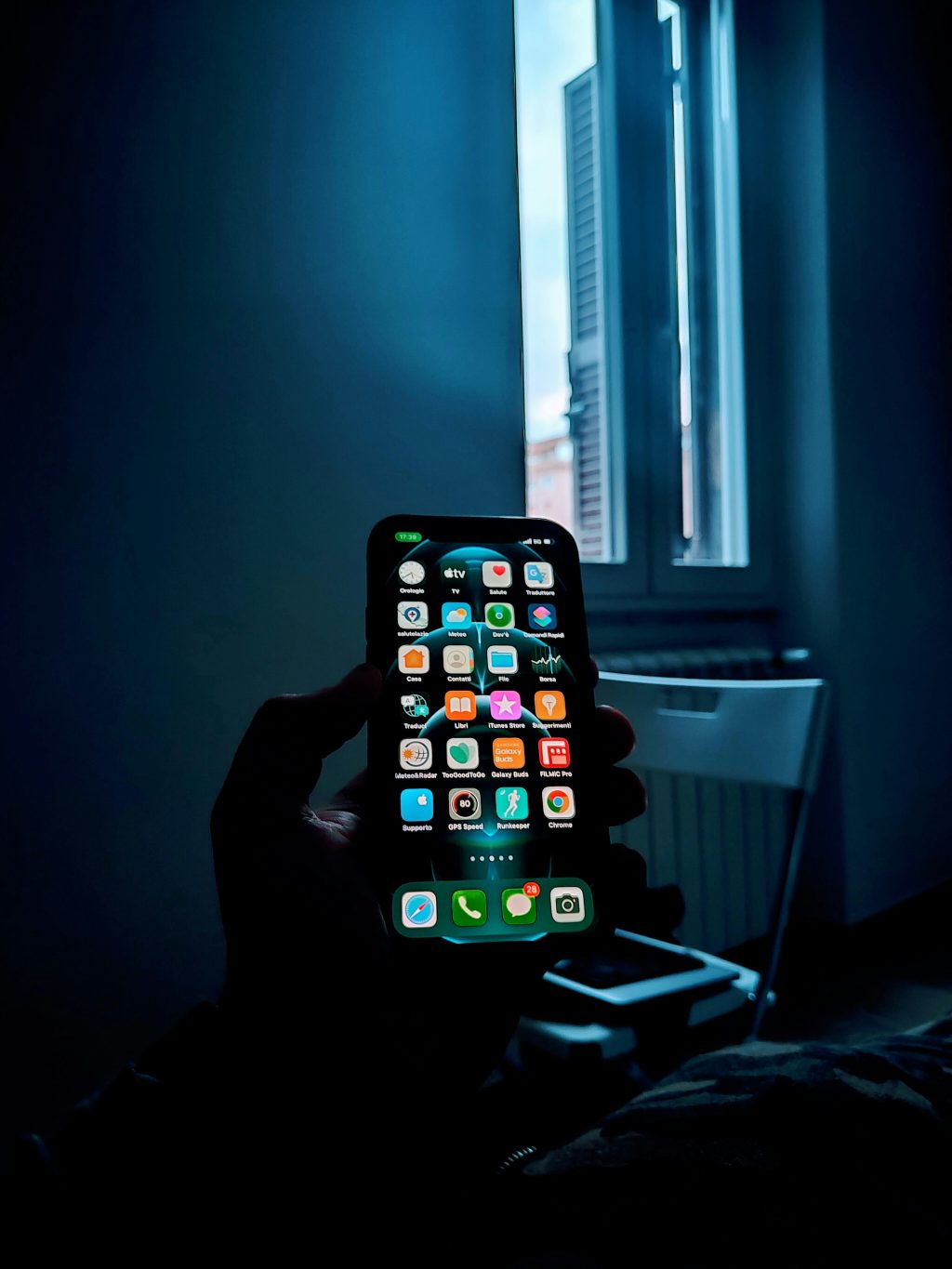
We often hear about screen time — the hours we spend glued to our phones. But what if the real question isn’t how much time we spend, but who’s really in control?
Smartphones are no longer just tools. They’re powerful ecosystems designed to capture attention, influence decisions, and sometimes even dictate our emotions.
1. The Subtle Science of Attention
Have you noticed how your phone lights up with notifications just when you’re about to focus on something else?
That’s not an accident. Apps are engineered with dopamine-driven triggers — red notification dots, infinite scrolling, and personalized feeds — all designed to keep you hooked.
2. Beyond Screen Time: The Invisible Control
Screen time reports tell you “You’ve spent 5 hours today.” But what they don’t show is how those hours shaped your mood, thoughts, or choices.
- Did Instagram make you buy that trending gadget?
- Did a tweet spark your anger?
- Did endless Reels replace your sleep?
It’s not just usage — it’s influence.
3. Digital Habits vs. Digital Traps
There’s a difference between using technology and being used by it.
- Digital Habit: Setting reminders, tracking fitness, reading news.
- Digital Trap: Doomscrolling, compulsive checking, endless refresh cycles.
The trap happens when the phone is no longer a tool — but a puppet master.
4. Is Your Phone Rewiring Your Brain?
Studies suggest constant phone use can:
- Shorten attention spans
- Reduce face-to-face communication
- Create a dependency cycle similar to addiction
This isn’t just theory — if you’ve ever felt “phantom vibrations” (thinking your phone buzzed when it didn’t), you know the brain is adapting in real-time.
5. Taking Back Control
Your phone doesn’t have to control you. A few mindful steps can reverse the grip:
✅ Turn off non-essential notifications
✅ Schedule phone-free zones (like meals or before sleep)
✅ Use grayscale mode to reduce dopamine spikes
✅ Replace doomscrolling apps with learning tools (like Kindle or coding apps)
Remember, you should own your phone, not the other way around.
Final Thought
The future of technology isn’t just about faster processors or better screens — it’s about our relationship with these devices.
Next time you pick up your phone, ask yourself: “Am I using it, or is it using me?”
👉 Want to dive deeper into tech, lifestyle, and digital wellness? Follow TechLifeDecoded.com for more insights.eeper into tech, lifestyle, and digital wellness? Follow TechLifeDecoded.com for more insights.
 TechLifeDecoded
Leave a comment